
Having products made in Japan
What I explain most often to brands and shops working with Japanese makers for the first time. Written from Tokyo, where I ask the makers myself.

EU Deforestation Regulation 2026: Paper, Notebooks and Wooden Goods from Japan
The EUDR applies from 30 December 2026. Which Japanese paper and wood products are in scope, who files the due diligence statement, and what to ask the maker.
EU Packaging Regulation (PPWR) 2026: Importing Private-Label Goods from Japan
The EU Packaging Regulation has applied since 12 August 2026. Which duties start now, which come in 2028–2030, and what a brand importing from Japan must do.
Japan's 2026 Minimum Wage Rise and Factory Costs: What Buyers Should Expect
Japan's minimum wage averages ¥1,177 from autumn 2026 and producer prices rose 6.8% in a year. What it means for quotes, price revisions and reorders.
Japan's Ageing Workshops: Closures, Successors and How Brands Can Plan for Continuity
67,949 Japanese firms closed in 2025 and half lack a successor. What it means if you rely on a small maker: specs, moulds, artwork and backups.
Japanese Trade Fairs for Made-in-Japan Buyers: November 2026 to Spring 2027
Confirmed dates for Japanese trade fairs worth visiting or following until spring 2027: Tokyo Gift Show, Kyoto, Lifestyle Week, Interior Lifestyle, Ambiente.
Planning Orders from Japan for Spring and Summer 2027: The Calendar, Worked Backwards
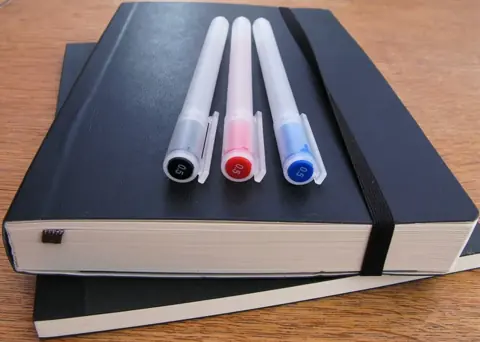
The 2026–27 dates that matter when ordering from Japanese makers: the New Year break, Golden Week, Obon, Lunar New Year, and how to work back from your launch.
Sending Samples from Japan in Late 2026: What Changed at Japan Post This Year
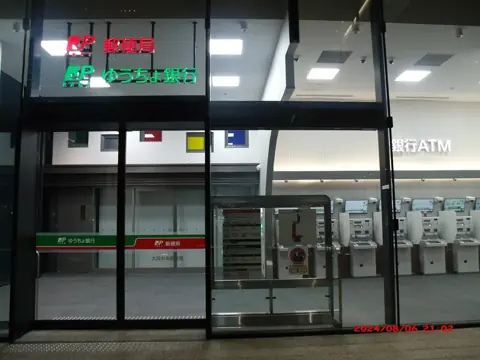
Japan Post changed a lot in 2026: no registered small packets, new Air Packet, US pre-registration, Middle East delays, and higher EMS rates from February 2027.
The EU's €3 Duty on Low-Value Parcels: What It Means for Samples and Small Lots from Japan (2026)
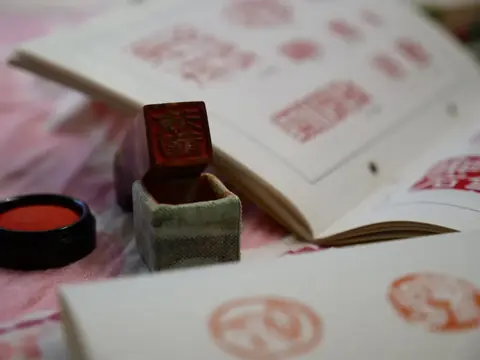
Since 1 July 2026 the EU charges €3 per item line on parcels up to €150 sold to consumers. What it means for samples and small lots, and how to declare them.
The Weak Yen in Late 2026: What It Means When You Order from Japanese Makers
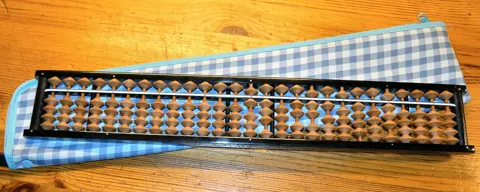
The yen was around ¥158 to the dollar in October 2026. How quotes in yen, the timing of your payment and makers' rising costs decide what your order costs.
US Import Duties on Goods Made in Japan: What a Brand Pays in Late 2026
IEEPA tariffs gone, a Section 301 duty on Japan since 24 July 2026: how to work out the US duty on Japan-made towels, knives, ceramics and paper goods.
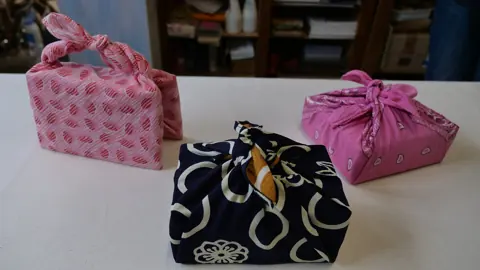
Custom Furoshiki: Japanese Wrapping Cloths with Your Design
Furoshiki are square Japanese wrapping cloths that replace gift paper and bags. Fabrics, sizes and printing methods for a furoshiki with your own design.
Custom Paper Boxes and Gift Packaging Made in Japan
Japanese paper box makers produce rigid gift boxes, folding cartons and paper-wrapped boxes in small runs. Types, finishes and what drives the minimum.
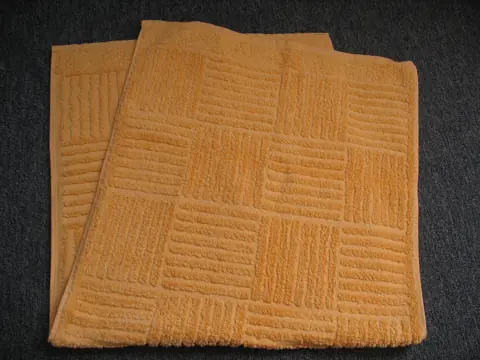
Imabari or Senshu? Japan's Two Big Towel Regions Compared for Private Label
Japan's two main towel regions make towels differently. How Imabari and Senshu towels compare, what each suits, and what to ask a maker before ordering.
Japan's Manufacturing Calendar: Golden Week, Obon and New Year in Your Production Plan
When Japanese workshops close and slow down: New Year, Golden Week, Obon and the busy gift seasons. How to plan orders, samples and shipping around them.
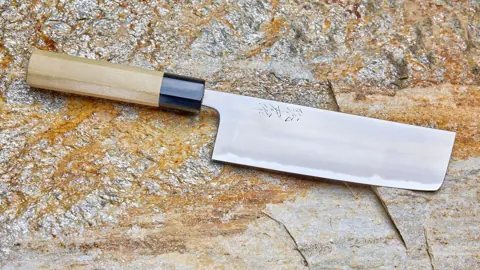
Japanese (Wa) or Western (Yo) Handles? Choosing Knife Handles for Your Brand
Japanese wa handles and Western yo handles differ in weight, balance, materials and how they are fitted. What each means for your customers and your brand.
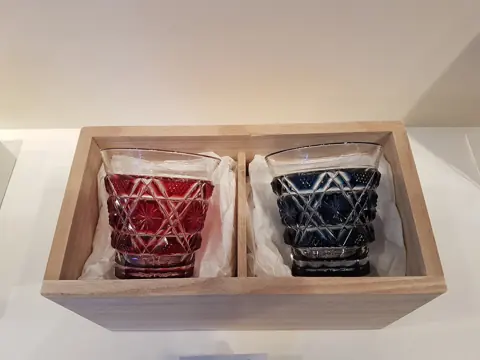
Japanese Glassware for Your Brand: Edo Kiriko, Engraving and Custom Glasses
Edo Kiriko cut glass, hand-blown and machine-made glassware from Japan. What can carry your logo or design, how custom glass works, and what to ask a maker.
Manufacturing in Japan or China? An Honest Comparison for Small Brands
When making in Japan is worth it for a small brand, and when it is not. Price, minimums, communication, quality, story and lead times, compared honestly.
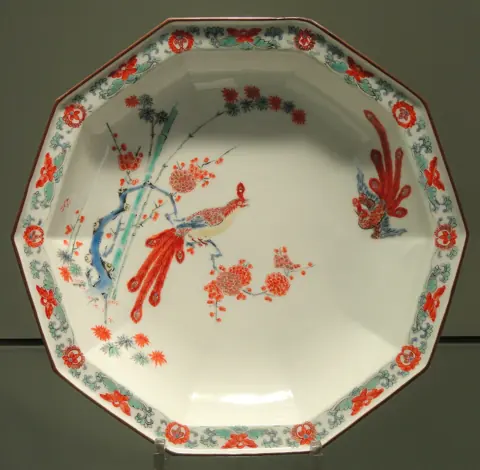
Mino, Arita or Hasami? Choosing a Japanese Tableware Region for Your Brand
Three of Japan's best-known tableware regions compared: what each is known for, how they differ in look and price range, and which suits a first order.
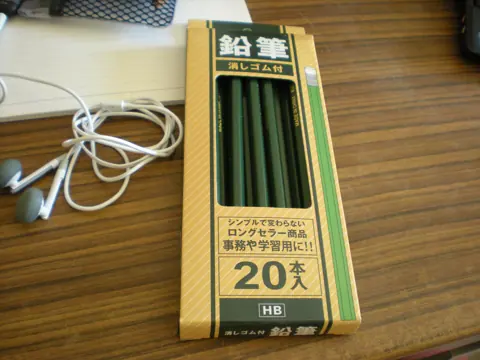
Pencils and Pens with Your Name: Name Imprinting on Japanese Writing Instruments
Japanese pencils and pens with your name or logo: how imprinting on writing instruments works, which method suits which barrel, and what to send.
What Does OEM Manufacturing in Japan Cost? Every Line on the Quote Explained
A Japanese OEM quote has more lines than the unit price. Setup, samples, packaging, inspection, freight, duty and fees: what each covers and who sets it.
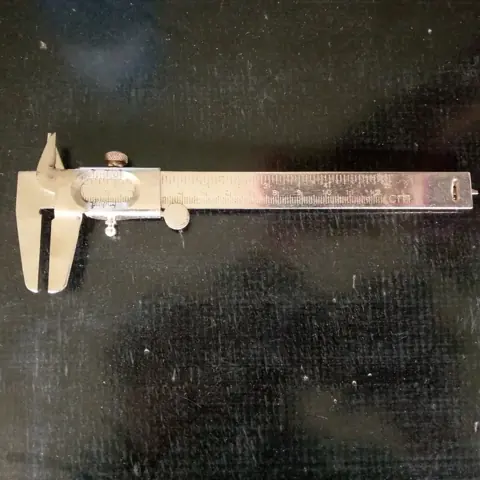
Checking Goods Before They Leave Japan: A Practical Inspection Guide
What to compare against, what to measure and count, how to record findings and what to agree beforehand when inspecting goods before export from Japan.
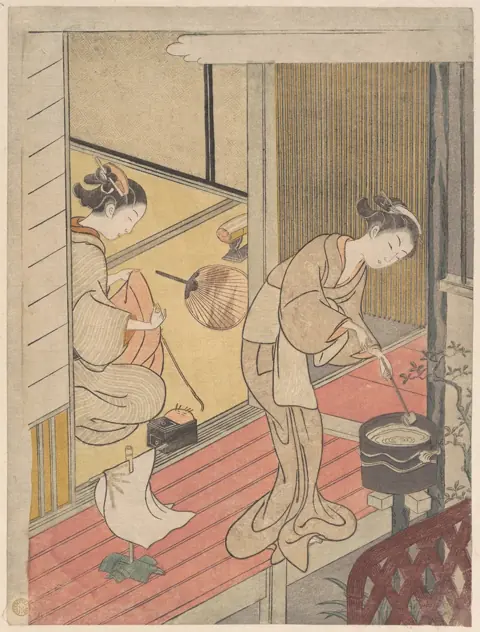
Custom Tenugui: Japanese Cotton Cloths Printed or Dyed with Your Design
How custom tenugui are made in Japan, the difference between printed and hand-dyed chusen cloths, and what to ask the maker.
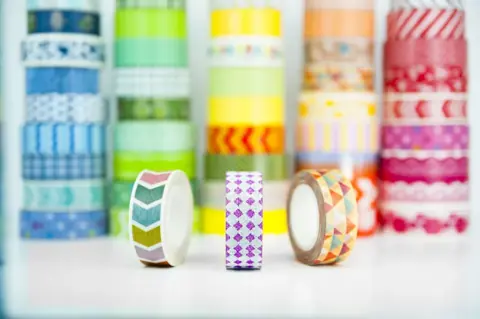
Custom Washi Tape Made in Japan: What to Know Before You Order
How custom washi tape is made, which decisions change the price and minimum (width, length, print colours, core and packaging), and what to send a Japanese maker.
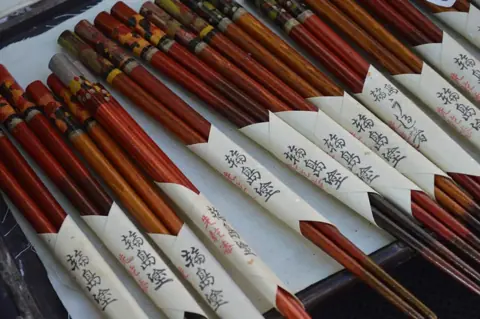
Japan's Officially Designated Traditional Crafts: What the Label Means for Buyers
Japan designates traditional crafts by law: 244 as of October 2025. What designation and the craft mark mean, and how to describe products honestly.
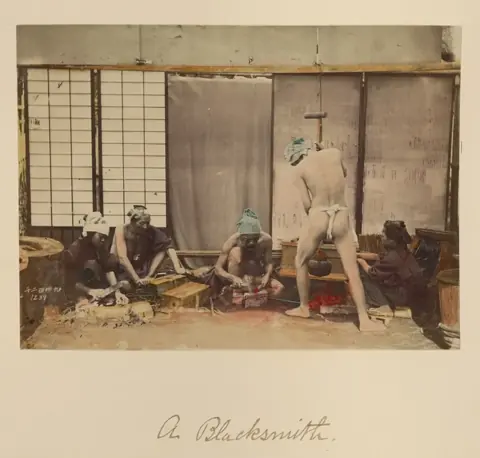
Japanese Knife Steels for Buyers: Shirogami, Aogami, VG-10 and More
The steel names you will see on Japanese kitchen knives, what they mean for sharpness, rust and care, and how to describe them accurately in your own product listings.
Paying a Japanese Maker: Deposits, Bank Transfers, Yen and Paperwork
How payment usually works with Japanese makers: paying before production, bank transfers in yen, who pays the bank charges, and what to keep.
Planners and Diaries Made in Japan Under Your Brand: Timing Is Everything
A dated planner is printed months before its year begins. What to decide for a planner under your brand, and when to order from a Japanese maker.

Protecting Your Design and Brand When Manufacturing in Japan
Protecting your brand and designs when a Japanese maker produces for you: trademarks, written agreements, tooling ownership and what to share when.
Shipping Small Lots from Japan: Post, Courier or Freight?
How small and medium orders leave Japan: Japan Post EMS and parcels, express couriers and freight. Weight limits, restricted goods, customs papers, and how to choose.
Sourcing at Japanese Trade Fairs: Tokyo International Gift Show and How to Follow Up
How to source at the Tokyo International Gift Show: preparing, talking to makers at the stand, and following up in Japanese afterwards.
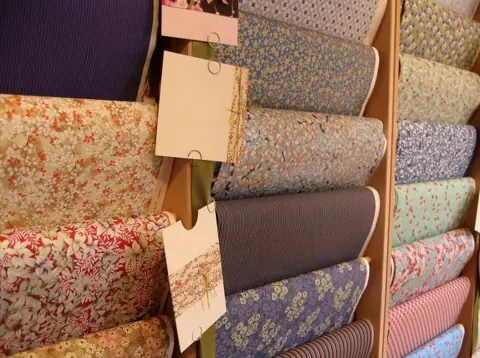
Custom Notebooks and Paper Goods Made in Japan
What Japanese printers and binderies can make for your brand: notebooks, washi goods, cards and boxes, and what sets the minimum.
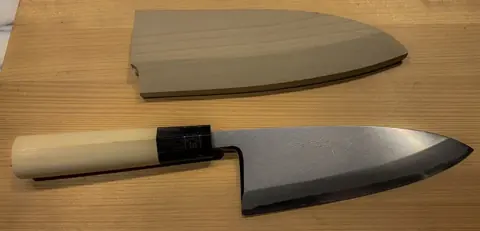
Custom-Logo and Private Label Kitchen Knives from Japan: Seki, Sakai and How It Works
Japan's knife towns, how a logo goes on a blade, what can be changed for your brand, and the shipping and selling rules to check first.
How to Find an OEM Manufacturer in Japan: A Practical Guide for Small Brands
Where Japanese makers who take outside orders are, what to send them, and how to get written quotes you can compare. A practical guide from Tokyo.
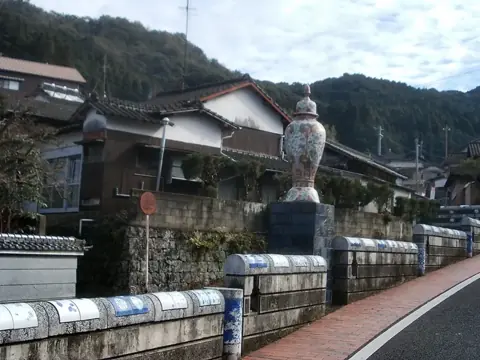
Japanese Ceramic Tableware for Your Brand: Mino, Arita and Hasami
Japan's main tableware regions, what they make, how a logo or a custom glaze works on ceramics, and the food-contact paperwork to ask a Japanese maker for.
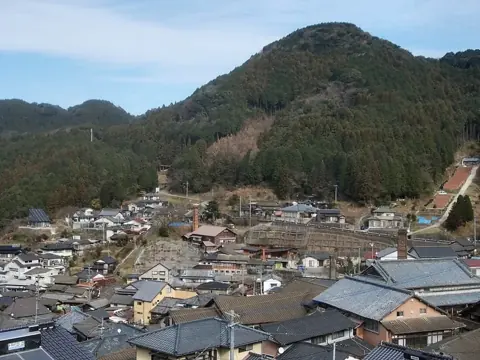
Minimum Order Quantities in Japan: Why They Vary and How to Get Them Down
Why two Japanese makers in the same trade can quote very different minimum lots, what actually drives the number, and practical ways to start smaller.
Name Imprinting (Naire): The Smallest Way to Put Your Logo on a Japanese Product
Naire adds your name or logo to a Japanese maker's existing product. Which method suits which material, what to send, and why it is the easiest start.
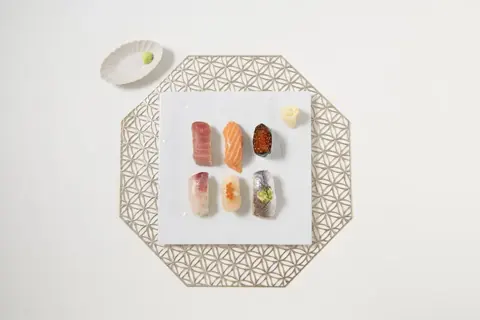
OEM, ODM, Private Label and Name Imprinting: What the Words Mean in Japan
Four ways to put your brand on a product made in Japan, from a logo on a stock item to a product built to your drawing, and what each one costs you.
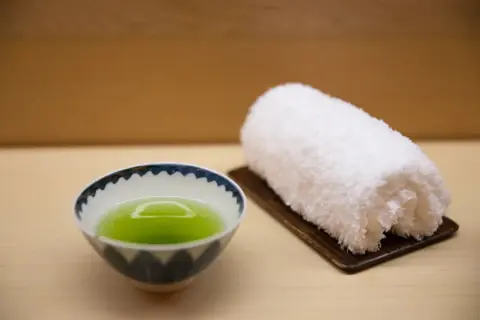
Private Label Towels from Imabari: What Buyers Should Know
Imabari makes over half of Japan's towels. How private label and logo towels from Imabari work, the five-second rule, and what to ask a maker.
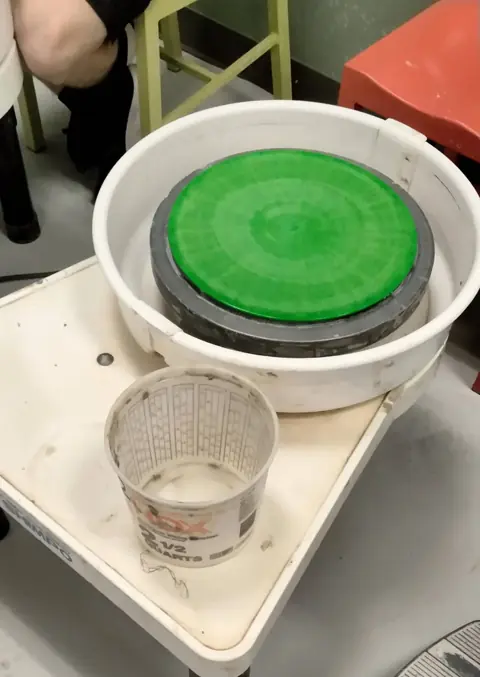
Samples, Setup Costs and Lead Times When Manufacturing in Japan
What you pay for before the first finished piece: samples, plates, dies and moulds. How the timeline runs from brief to export, and where delays usually come from.
When Can a Product Say "Made in Japan"? Country-of-Origin Basics for Importers
Origin follows the last substantial transformation, not where a label was sewn on. The basic rules in the US, the EU and Japan, and what to ask a maker.
Working with Japanese Makers: Communication, Payment Terms and What They Expect
How small Japanese makers prefer to be contacted, why the first message matters, how a first order is usually paid, and habits that help.