Manufacturing in Japan or China? An Honest Comparison for Small Brands
Contents
Short answer: Japan is usually more expensive per piece and slower to reach. It is worth it when “made in Japan” is part of what you sell, when the product depends on a Japanese craft or material, or when you need small runs from makers who care about detail. For high-volume, price-led products, other countries are often the better fit. This is a general comparison, not a rule; individual makers vary in both countries.
A side-by-side view
| Japan | China (in general) | |
|---|---|---|
| Unit price | Usually higher | Usually lower, especially at volume |
| Minimums | Often modest for craft and regional makers | Varies widely; large factories prefer volume |
| Finding makers | Hard from abroad; most do not market in English | Easier; many export-oriented suppliers online |
| Communication | Mostly in Japanese, often by phone or fax | English sales staff are common |
| Craft regions and materials | Imabari towels, Seki knives, Mino and Arita ceramics, washi | Very broad industrial base |
| Brand story | “Made in Japan” carries strong appeal in many markets | Depends on the product and market |
| Lead times | Set by small workshops’ schedules and holidays | Set by factory capacity and the Lunar New Year |
When Japan makes sense
- The origin is the product. Imabari towels, Japanese kitchen knives, Arita porcelain or washi paper are bought because they are Japanese.
- Small runs with care. Many Japanese workshops are small and used to precise, short runs.
- A product line that grows slowly. Reorders of a few hundred pieces suit many Japanese makers.
When it may not
- Price is the main selling point.
- You need very large volumes quickly.
- The product has no Japanese material, skill or story.
A practical middle path
Many brands start with something low-risk: name imprinting or private label on an existing Japanese product. It shows whether customers pay for the Japanese origin before you invest in full OEM.
Getting figures, not guesses
The only way to know whether Japan works for your product is to get real quotes. Send me a brief and I will ask Japanese makers in Japanese; the search and the written quotes are free. See also what OEM manufacturing in Japan costs.
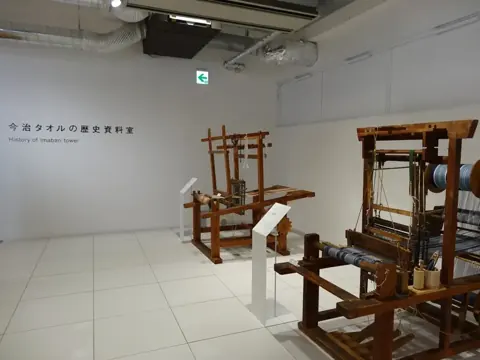
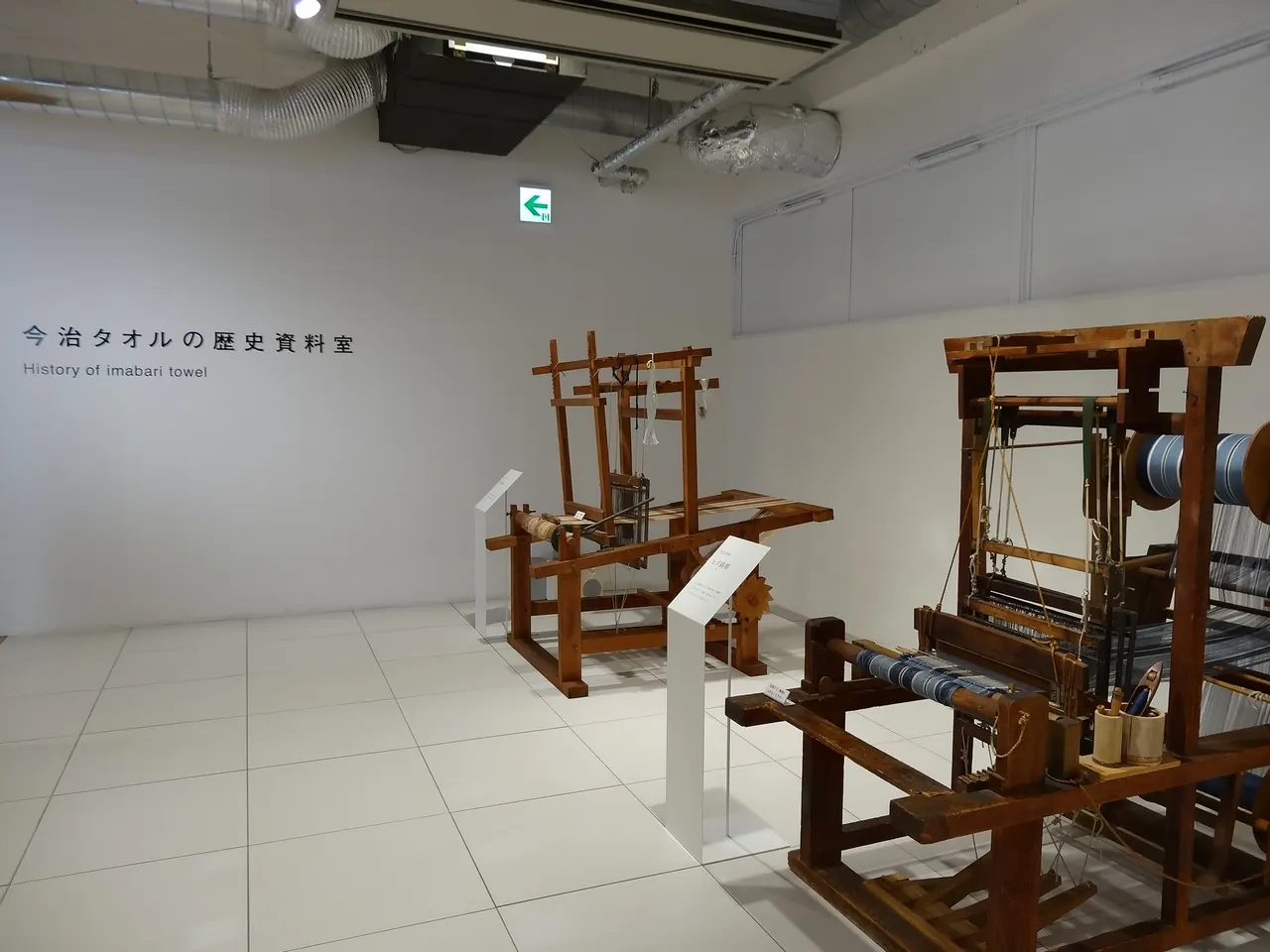
Top photo: “History room of Imabari towel weaving looms” by ja:User:Sanjo, CC BY-SA 3.0, via Wikimedia Commons. Resized and cropped. ↗ CC BY-SA 3.0