Custom Notebooks and Paper Goods Made in Japan
Contents
Short answer: Japan has many specialist printers, binderies and paper mills that take outside orders. The simplest start is a stock notebook or card with your foil-stamped logo. A notebook with your own paper, ruling and binding is possible too, but paper is bought and cut in fixed quantities, and that sets the minimum.
What can be made
| Product | Common ways to make it yours |
|---|---|
| Notebooks | Foil-stamped or debossed cover, your cover paper, your ruling, your band and packaging |
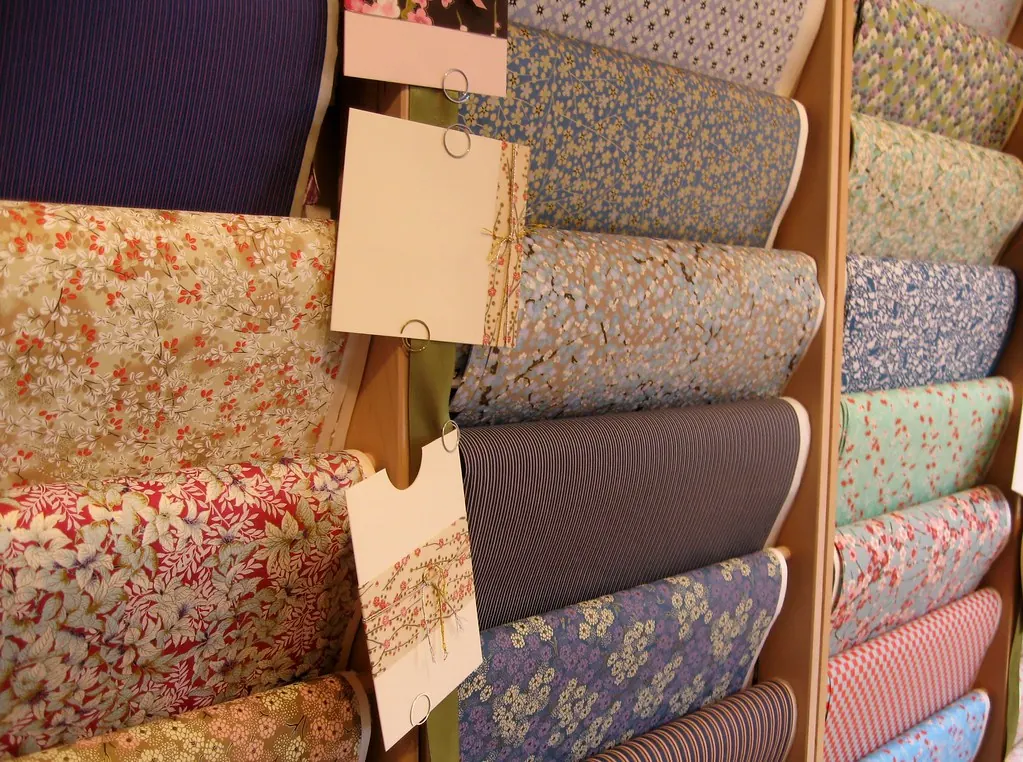
| Washi goods | Your pattern printed on washi, or washi in your colour, made into cards, envelopes, tags |
| Cards and letter sets | Letterpress, foil, embossing, die-cut shapes |
| Paper boxes | Your size, your paper wrap, your logo on the lid |
Why Japanese paper goods
Japanese stationery buyers are demanding, and many small factories have spent decades making paper that takes fountain-pen ink well, binding that lies flat, and printing in small, precise runs. Traditional washi regions such as Echizen (Fukui) and Mino (Gifu) also supply papers that are hard to find elsewhere.
The levels, for paper goods
- Name imprinting: foil stamping or debossing your logo on a stock notebook cover. The smallest start.
- Private label: a stock notebook with your band, sleeve and packaging.
- ODM: a stock notebook in your choice of cover paper, colour or size.
- OEM: your paper, ruling, page count, binding and cover, made to your specification.
What drives the minimum
- Paper. Paper is bought by the ream or made in a batch. A paper the maker already stocks costs little extra; a special paper or colour can set the minimum by itself.
- Plates and dies. Foil stamping needs a die for your logo; die-cut shapes need a cutting die. These are one-off costs.
- Printing. Offset printing has a setup cost per colour; small runs are often cheaper with fewer colours or digital printing.
- Binding. Some binding styles are done on machines set up per run; hand binding is more flexible but slower.
What to send a maker
- Size, page count and paper (or “your standard paper”).
- Ruling: blank, lined, dot grid, or your own.
- How your logo should appear: foil colour, deboss, print.
- Quantity, and whether you expect to reorder.
Getting quotes
Send me a brief and I will ask Japanese paper makers and binderies in Japanese, and bring back their own figures in writing. Stationery and paper makers who list themselves are in the maker directory.
Top photo: “march 026 washi paper” by apium, CC BY 2.0, via Flickr. Resized and cropped. ↗ CC BY 2.0