Mino, Arita or Hasami? Choosing a Japanese Tableware Region for Your Brand
Short answer: Mino (Gifu) is Japan’s largest producer of everyday tableware and the most flexible for custom work. Arita (Saga) is known for fine porcelain and painted decoration, with a history going back to the early 1600s. Hasami (Nagasaki), next to Arita, makes everyday porcelain and is known abroad for simple, stackable modern designs. All three take orders for other brands.
The three regions at a glance
| Mino | Arita | Hasami | |
|---|---|---|---|
| Where | Gifu Prefecture | Saga Prefecture | Nagasaki Prefecture |
| Known for | A huge range, from everyday plates to tea wares | Fine white porcelain, painted decoration | Everyday porcelain, modern stackable designs |
| Bodies | Stoneware and porcelain | Porcelain | Porcelain |
| Character for buyers | Many factories and suppliers; flexible | Prestige and craft; often higher prices | Practical, durable, good value |
Mino
Mino is a large area of many towns and many specialist workshops: clay, moulds, glazes, decoration and firing are often done by different companies. That division of labour is what makes it flexible for custom work, and why many private label tableware projects start there.
Arita
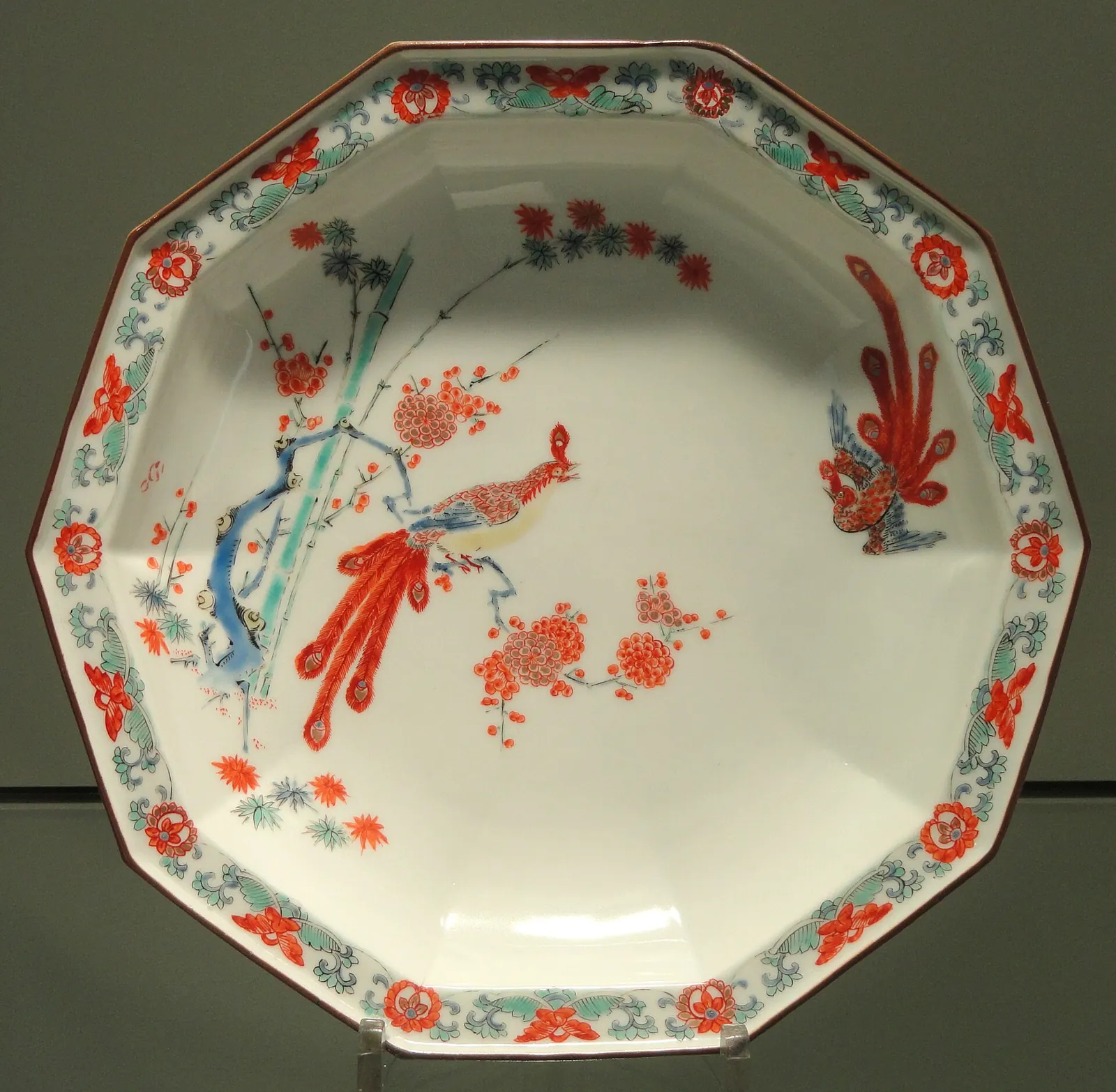
Arita is widely described as the birthplace of Japanese porcelain, with production dating to the early seventeenth century (1616 is the date most often cited). It is known for white porcelain bodies and painted decoration, from traditional blue-and-white and coloured enamels to modern designs. The name carries prestige, and prices often reflect the handwork involved.
Hasami
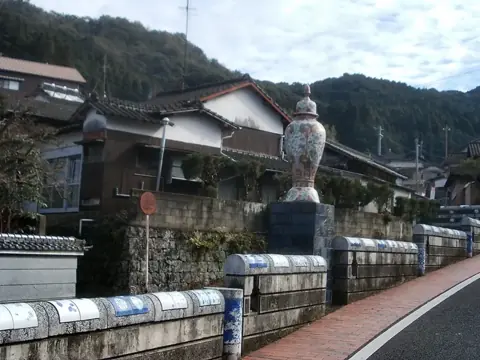
Hasami sits right next to Arita and has long made everyday porcelain. For much of the twentieth century its wares were often sold under the Arita name; it has used its own name since the early 2000s. Today it is known abroad for modern, stackable, durable tableware, often in simple glazes.
Which to choose
- A first order with your logo on an existing shape: any of the three; Mino and Hasami usually have more stock shapes to choose from.
- Painted decoration or a premium story: Arita.
- Everyday tableware for a café or a lifestyle shop: Hasami or Mino.
- Something unusual in shape, glaze or material: Mino, for the range of specialist workshops.
Whatever the region, ask for food-contact test results before you sell in Europe or North America; see Japanese ceramic tableware for your brand.
Getting quotes
Send me a brief with the pieces, quantity and destination, and I will ask kilns in these regions in Japanese. See also the ceramics and tableware page.
Sources
- Wikipedia, Hasami ware: en.wikipedia.org/wiki/Hasami_ware
- Kogei Japan, Imari and Arita ware: kogeijapan.com/locale/en_US/imariyakiaritayaki/
Top photo: “Decagonal Plate with Bird on a Branch, c. 1690-1700, Arita, hard-paste porcelain with over” by Daderot, CC0, via Wikimedia Commons. Resized and cropped. ↗ CC0