How to Find an OEM Manufacturer in Japan: A Practical Guide for Small Brands
Contents
Short answer: Most Japanese makers who take outside orders do not say so in English, and many do not say so at all. You find them through production regions, trade associations and their own Japanese websites, then ask in Japanese with a clear brief. Expect to contact several makers to get two or three written quotes.
Why Japanese makers are hard to find from abroad
Japan has a great many small and mid-sized manufacturers, and a large share of them have always sold through Japanese wholesalers and trading companies rather than directly to foreign buyers. That shapes what you see online:
- Websites are in Japanese only, or the English page is a short company profile with no mention of outside orders.
- OEM is often not advertised. A maker may produce for other brands every week and still list only its own products.
- Contact is by form, telephone or fax. An English email can sit unanswered simply because nobody in the office reads English comfortably.
None of this means the maker is unwilling. It means the first contact has to be made the way they are used to.
Where Japanese OEM makers actually are
Production regions
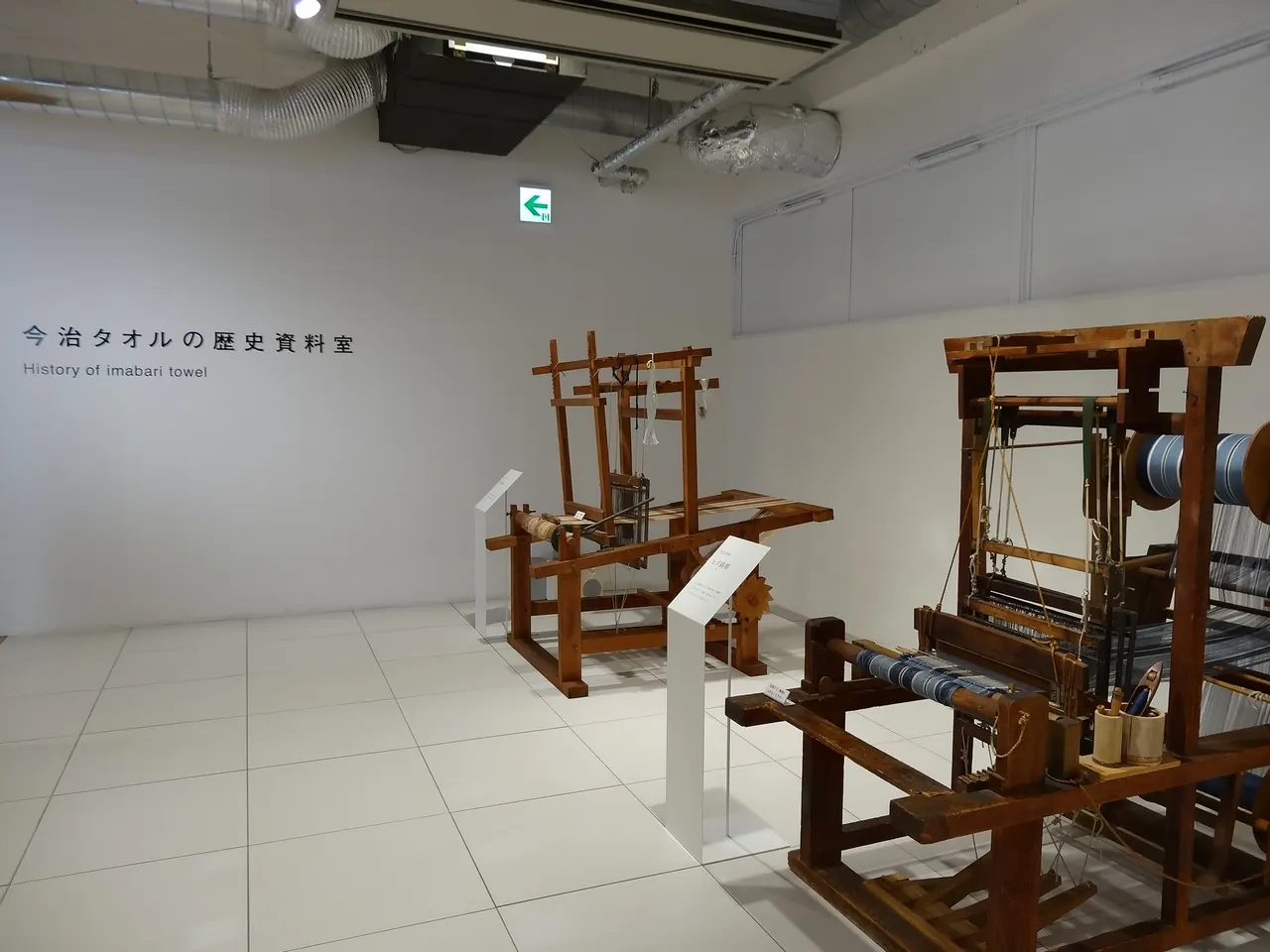
Many trades are concentrated in one area: towels in Imabari, kitchen knives in Seki and Sakai, ceramics in the Mino, Arita and Hasami areas, and so on. Regional trade associations often publish member lists, and those lists are the most reliable starting point because every name on them makes the product locally.
Japanese search terms
Searching in Japanese finds makers who never appear in English results. Useful words are OEM (the same in Japanese), 受託 (jutaku, contract manufacturing), 名入れ (naire, name imprinting), 別注 (betchū, special order) and 小ロット (small lot).
Trade fairs
Japanese trade fairs are where many makers meet new buyers. They are useful if you can attend; most exhibitors will still want the follow-up in Japanese.
What to send a maker
A rough brief is fine, but it has to answer the questions a maker asks first:
- What it is: a sample, photographs or a drawing, with material, size and finish.
- How far it should be yours: your logo on their existing product, their product in your packaging, or a product made to your specification. (See OEM, ODM and private label.)
- Quantity: the first order and what you hope to reorder.
- Target price, even a range.
- Where it is going, because labelling and export papers depend on it.
A maker who receives this in clear Japanese can usually tell you quickly whether it is their kind of work.
What a useful quote contains
Ask every maker for the same items, in writing, so the quotes can be compared:
| Item | Why it matters |
|---|---|
| Unit price at your quantity | The headline number |
| Minimum lot | Often the deciding factor (why it varies) |
| Lead time | From approved sample to finished goods |
| One-off setup costs | Plates, dies, moulds, woven label patterns |
| Sample cost and timing | Samples are often charged |
| Payment terms | Many makers want payment before production for a first order |
Doing it yourself, or having it done
You can do all of this yourself if you read and write Japanese, or work with someone who does. If not, this is what I do: I read your brief, find the makers who take this kind of work, ask them in Japanese by email, telephone or fax, and bring back their own figures in writing, side by side. The search and the quotes are free; a commission applies only if you order, and is agreed in writing before anything is ordered. The full steps and fees are on How it works.
You can also browse the maker directory, where Japanese makers list what they take on, and contact the English-speaking ones directly.
Sources
- JEPRA, OEM manufacturing in Japan: how it works, what it costs and how long it takes: jeprajp.com/2026/10/07/oem-manufacturing-japan-how-it-works/
Top photo: “History room of Imabari towel weaving looms” by ja:User:Sanjo, CC BY-SA 3.0, via Wikimedia Commons. Resized and cropped. ↗ CC BY-SA 3.0