Checking Goods Before They Leave Japan: A Practical Inspection Guide
Contents
Short answer: Inspect the goods against the approved sample and the written specification before they leave Japan, while problems can still be fixed cheaply. Count, measure, look at finish and packaging, photograph what you find, and agree beforehand what happens if something is off.
Why inspect if Japanese makers are careful
Japanese makers have a strong reputation for quality, and most problems are not careless work. They come from misunderstandings: a colour reference read differently, a label placed where it is standard in Japan rather than where you expected, packaging made for Japanese shops. These are easy to fix before shipping and expensive after.
What to inspect against
- The approved pre-production sample, which should be kept by both sides
- The written specification: sizes, materials, colours, logo position
- The packing instructions: quantities per carton, labels, barcodes
If there is no approved sample, inspection becomes a matter of opinion. That is the strongest reason to approve one in writing.
What to check
| Area | Examples |
|---|---|
| Quantity | Pieces per design, cartons, spares |
| Dimensions | Key measurements against the specification, with tolerance |
| Materials and colour | Against the sample, under the same light |
| Logo and print | Position, size, colour, sharpness |
| Finish | Edges, stitching, glaze, binding, sharpening |
| Function | Opens, closes, lies flat, cuts |
| Packaging and labels | Your labels, care and origin marking, barcodes, carton marks |
How to record it
- Photograph a sample of pieces next to the approved sample.
- Note how many were checked and how many had each issue.
- Separate cosmetic issues from ones that affect use.
- Share the record with the maker politely and promptly; most makers will correct real faults quickly.
Agree the rules first
Before production, agree in writing what counts as a fault, what tolerance is acceptable, and whether faulty pieces are replaced, reworked or credited. Handmade and natural materials vary; it is fairer to agree how much variation is acceptable than to argue after.
How I do it
The goods come to me in Tokyo before export. I open the cartons, count, compare against the approved sample and photograph what I find; nothing ships until you have seen the result. Basic inspection is free with any order, and detailed item-by-item inspection is available. See How it works.
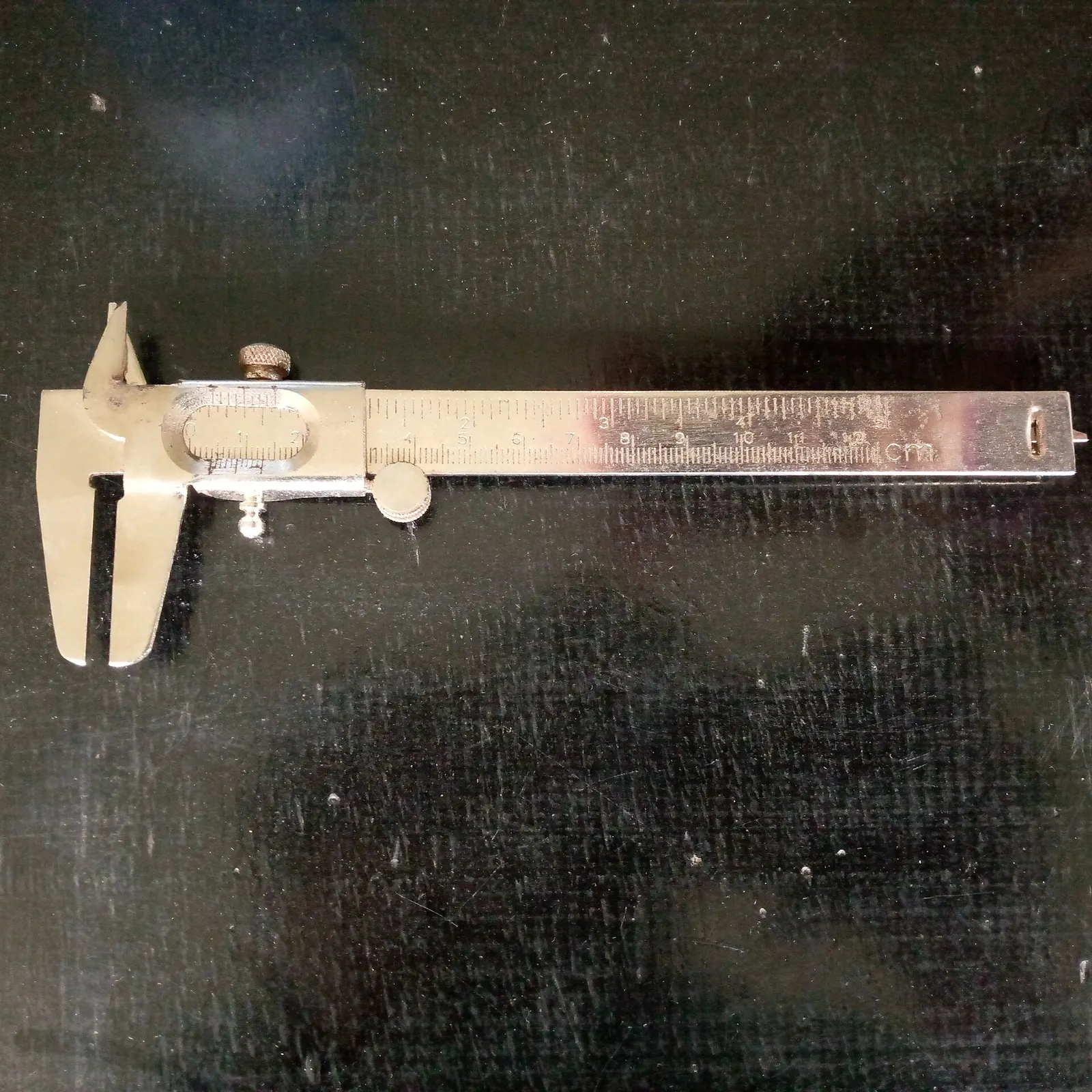
Top photo: “Vernier Caliper” by Jeremyida002, CC BY-SA 4.0, via Wikimedia Commons. Resized and cropped. ↗ CC BY-SA 4.0