Japanese Ceramic Tableware for Your Brand: Mino, Arita and Hasami
Contents
Short answer: Most Japanese tableware made for other brands comes from a few regions: Mino (Gifu), Arita (Saga) and Hasami (Nagasaki) among them. A logo can be printed on as a decal or stamped into the base; a custom glaze or shape takes longer and costs more. Ask for food-contact test results before you sell in Europe or North America.
The main regions
Mino ware (Gifu Prefecture) covers a very large share of Japan’s everyday tableware, from mass-produced plates to studio pieces. Because there are so many factories and specialist suppliers, it is often the most flexible region for custom work.
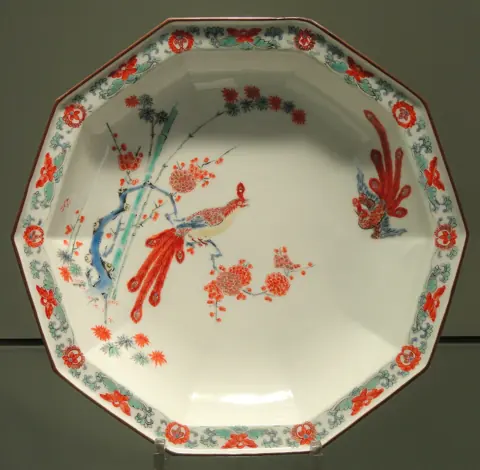
Arita ware (Saga Prefecture) is porcelain, with a history going back to the early 1600s. It is known for fine white bodies and painted decoration, both traditional and modern.
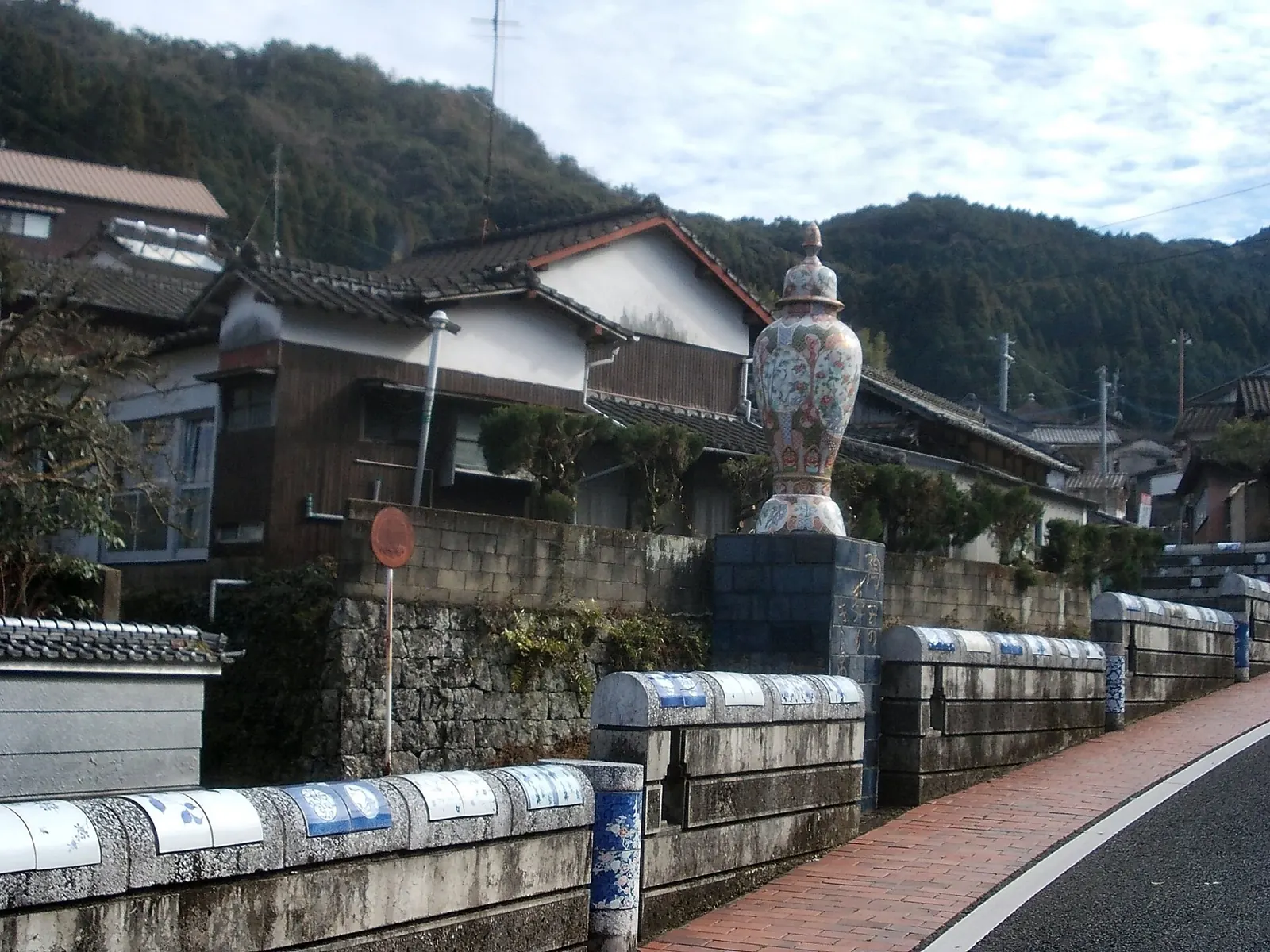
Hasami ware (Nagasaki Prefecture), next to Arita, has long made everyday porcelain, and its stackable modern designs are now familiar outside Japan.
How a logo goes on ceramics
| Method | What it looks like | Notes |
|---|---|---|
| Decal (transfer) | Your logo or pattern printed, then fired on | The usual way for small runs |
| Stamp in the base | Your mark pressed into the clay | Needs a stamp made; subtle and permanent |
| Pad or screen print | Printed directly before firing | For simple marks on a flat area |
| Back-stamp | Your brand name on the underside | Common for private label |
Custom glazes and shapes
A new glaze colour has to be tested; firing changes colours in ways that are hard to predict, so expect test tiles and a sample firing. A new shape needs a mould, and that is where minimums rise. Choosing a shape and glaze from the maker’s existing range is the quickest way to something under your own name.
Food-contact rules
Tableware that touches food is regulated in most markets:
- European Union: ceramic articles in contact with food are covered by Directive 84/500/EEC, which sets limits for lead and cadmium release.
- United States: the FDA sets limits for lead and cadmium in ceramic ware and acts against tableware that leaches lead.
Ask the maker whether they have test results for the glaze you choose, and from which laboratory. If they do not, plan time and cost for testing before you sell.
Getting quotes
Send a brief with the pieces, quantity and destination, and I will ask makers in these regions in Japanese and bring back their own figures in writing. Ceramics makers who list themselves are in the maker directory.
Sources
- EU Council Directive 84/500/EEC on ceramic articles intended to come into contact with foodstuffs: eur-lex.europa.eu/eli/dir/1984/500/oj
- US FDA, Questions and Answers on Lead-Glazed Traditional Pottery: www.fda.gov/food/environmental-contaminants-food/questions-and-answers-lead-glazed-traditional-pottery
Top photo: “Nakaogo, Hasami 03” by STA3816, CC BY-SA 4.0, via Wikimedia Commons. Resized and cropped. ↗ CC BY-SA 4.0