Paying a Japanese Maker: Deposits, Bank Transfers, Yen and Paperwork
Contents
Short answer: For a first order from an overseas buyer, many Japanese makers ask for payment before production, by international bank transfer, usually in yen. Agree the amount, currency, timing and who pays the bank charges in writing before you pay, and keep the quote, invoice and transfer record together.
Why makers ask for payment first
A small Japanese maker taking an order from an unknown buyer abroad is taking a risk: materials are bought and machines are set up for a product that cannot be sold to anyone else. Payment before production, or a deposit with the balance before shipping, is how they manage that risk. After a few smooth orders, terms often become more flexible.
Currency
Most makers price and invoice in yen. If you pay in another currency, your bank or payment service converts it, and the rate and fees decide how many yen actually arrive. If less arrives than invoiced, the maker will ask for the difference. Two ways to avoid this:
- Pay in yen, with the exact invoice amount arriving.
- Agree in advance who bears conversion differences.
Bank charges
An international transfer can have charges at three points: your bank, any intermediary bank, and the receiving bank. Transfers can be sent so that the sender pays all charges (often marked “OUR”), so the full amount arrives. Agree this in writing; a short payment caused by deducted fees is a common first-order irritation.
The hanko and the paperwork
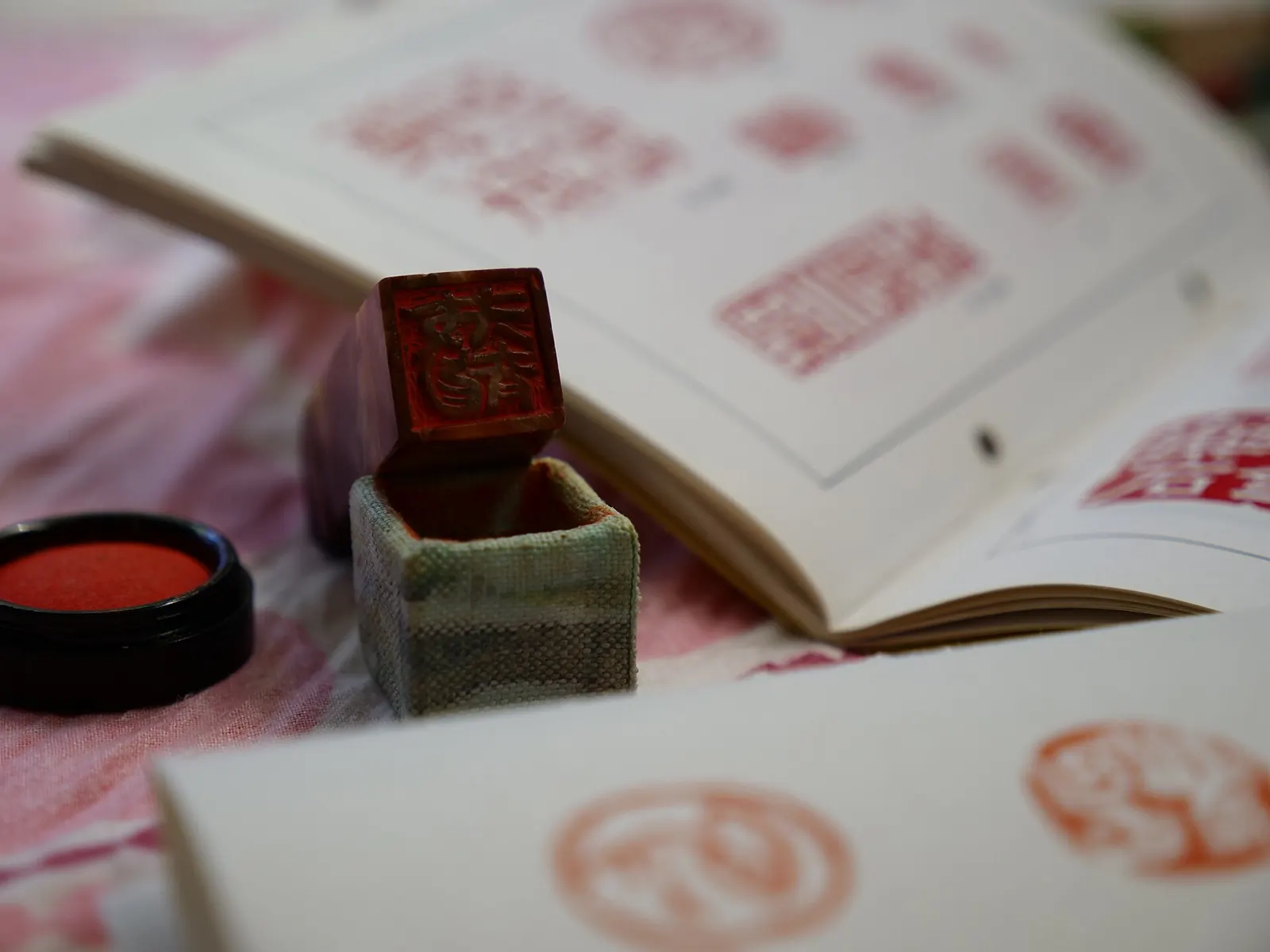
Japanese business documents are often stamped with a company seal (hanko). You will typically receive:
| Document | Japanese | What it is |
|---|---|---|
| Quotation | 見積書 (mitsumorisho) | Prices, quantities, terms; often valid for a set period |
| Invoice | 請求書 (seikyūsho) | The amount to pay, with bank details |
| Delivery note | 納品書 (nōhinsho) | What was delivered |
| Receipt | 領収書 (ryōshūsho) | Proof of payment, on request |
Check that the bank details on the invoice match those the maker gave you earlier. If bank details change by email, confirm by another channel before paying.
How it works when I handle the order
When I manage an order, I agree the payment terms with the maker in writing and you pay me one invoice that shows the maker’s price, setup and sample costs and my commission as separate lines. I pay the maker in yen. Details on How it works.
Top photo: “Hanko, japanese seal” by Culture Japon, CC BY-SA 4.0, via Wikimedia Commons. Resized and cropped. ↗ CC BY-SA 4.0