Minimum Order Quantities in Japan: Why They Vary and How to Get Them Down

Contents
Short answer: A minimum lot is set by the maker’s own costs: machine setup, the smallest batch of material they can buy or dye, and how a production run fits their schedule. That is why minimums differ so much between makers. You can usually start smaller by using the maker’s stock materials and shapes, or by stepping down from OEM to private label or name imprinting.
Why I never quote a “typical” minimum
Buyers often ask what the usual minimum is for towels, knives or notebooks. I do not give one, because the honest answer is that it depends on the maker. Two workshops in the same town can quote very different figures for what looks like the same product. A number from one maker, repeated as a rule, misleads more than it helps. The only minimum that counts is the one a maker writes on your quote.
What drives a minimum lot
Setup time
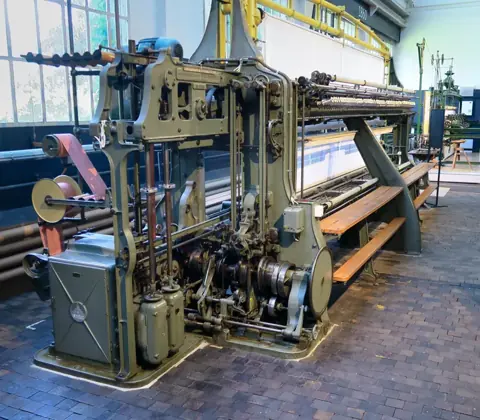
Every run starts with setting up machines: threading a loom, mounting a printing plate, adjusting a cutting die. If setup takes half a day, the maker needs enough pieces afterwards to make that half-day worthwhile.
Material batches
Materials are bought or processed in batches. Yarn is dyed in lots; paper is made or cut in sheets of a set size; a glaze is mixed in a batch. A custom colour often means a whole new batch, and the minimum follows the batch, not your order.
Kilns, looms and schedules
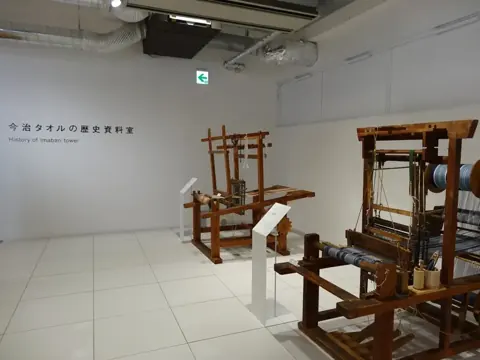
Some processes have a natural size. A kiln is fired full; a loom is set up for a length of cloth. A small order may have to wait until it can share a run.
Who else is involved
Many Japanese products pass through several specialist workshops: one weaves, another dyes, another sews. Each has its own minimum, and the highest one sets the minimum for the whole product.
Ways to start smaller
- Use stock materials and colours. A standard colour from the maker’s range avoids a dye lot of your own.
- Use an existing shape or size. New moulds and dies are where minimums jump.
- Step down a level. If OEM is too large, ask about ODM, private label or name imprinting.
- Ask what the minimum is made of. “Is this because of the material or the setup?” often reveals a smaller option.
- Accept a longer lead time. Some makers will fit a small order into a run they are already making.
- Say what you will reorder. A maker is more flexible when a small first order is clearly the start of something.
Getting minimums in writing
Ask each maker for the minimum at each level (stock product with your logo, your packaging, your specification), with the unit price at each. Seeing them together usually makes the choice obvious. This is part of what I bring back when I ask makers for you: their own figures, in writing, side by side.
Top photo: “Nakaogo, Hasami 01” by STA3816, CC BY-SA 4.0, via Wikimedia Commons. Resized and cropped. ↗ CC BY-SA 4.0